# What Is Dadaism, Dada Art, or a Dadaist?
## Metadata
- Author: [[Artland Editors]]
- Full Title: What Is Dadaism, Dada Art, or a Dadaist?
- Category: #articles
- Summary: Dadaism was a revolutionary art movement that began during World War I, focusing on humor, nonsense, and anti-art as a response to the chaos of modern life. Key figures like Marcel Duchamp and Jean Arp created innovative works, including readymades, that challenged traditional notions of art. Although the movement declined by the late 1920s, its influence continues to shape contemporary art and culture.
- URL: https://magazine.artland.com/what-is-dadaism/
## Highlights
- **Key artists:** Hugo Ball, [Marcel Duchamp](https://magazine.artland.com/marcel-duchamp-conceptual-art/), [Hans (Jean) Arp](https://magazine.artland.com/jean-arp/), [Sophie Taeuber-Arp](https://magazine.artland.com/lost-and-found-artist-series-sophie-taeuber-arp/), Hannah Höch, [Man Ray](https://magazine.artland.com/the-visionary-photographs-of-man-ray/), Francois Picabia ([View Highlight](https://read.readwise.io/read/01jahrmmk8absdytzv2bydq0qw))
- Tags: [[Art]]
- Note: Add these to obsidian
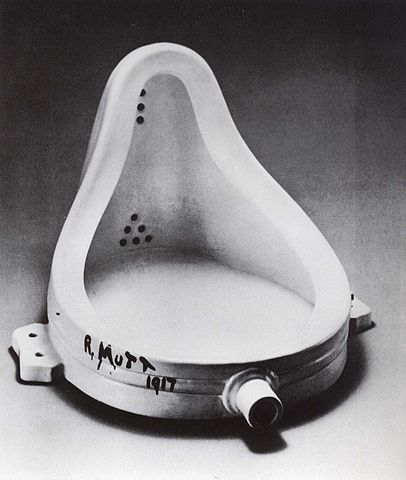
- Reacting against the rise of capitalist culture, the war, and the concurrent degradation of art, artists in the early 1910s began to explore new art, or “anti-art”, as described by [Marcel Duchamp](https://magazine.artland.com/marcel-duchamp-conceptual-art/). ([View Highlight](https://read.readwise.io/read/01jahvg8ttj27xh4we0bmjdanw))
- Note: **The Concept of "Anti-Art" in Early 20th Century Avant-Garde Movements**: The term "anti-art" refers to a movement that emerged in the early 20th century, challenging traditional notions of art and aesthetics. Artists associated with this movement, such as Marcel Duchamp and Kazimir Malevich, sought to provoke thought and question the purpose of art by creating works that often rejected conventional beauty and technique. This radical approach laid the groundwork for various avant-garde movements, influencing contemporary art and encouraging future artists to explore new ideas and forms.
- They wanted to contemplate the definition of art, and to do so they experimented with the laws of chance and with the found object. ([View Highlight](https://read.readwise.io/read/01jahvfjxdrvnza6vv9d5b0swt))
- Note: Q: Why may the interest in chance within art have arrived so prominently in contemporary art.. might it be connected to other revolutions, such as the sciences and socio-political things?
A: The interest in chance within contemporary art can be seen as a reflection of the broader uncertainties and complexities of modern existence, paralleling revolutions in science that emphasize randomness and chaos theory, as well as socio-political upheavals that challenge traditional structures. This alignment suggests that artists are responding to a world increasingly characterized by unpredictability, inviting viewers to engage with the inherent randomness of life and art.